







Introduction
The Indian Young Lawyers Association v. State of Kerala (2018), popularly known as the Sabarimala Case, is one of the landmark judgments of the Supreme Court of India. It directly confronted the centuries-old practice at the Sabarimala temple in Kerala, where women of menstruating age (10–50 years) were denied entry.
This case became more than a question of religious ritual; it turned into a debate about the very foundations of Indian constitutional democracy — equality, dignity, and freedom of religion. With nationwide protests, political battles, and legal reviews still pending, the case remains a touchstone for how India balances faith and fundamental rights.
Historical Background of the Temple Ban
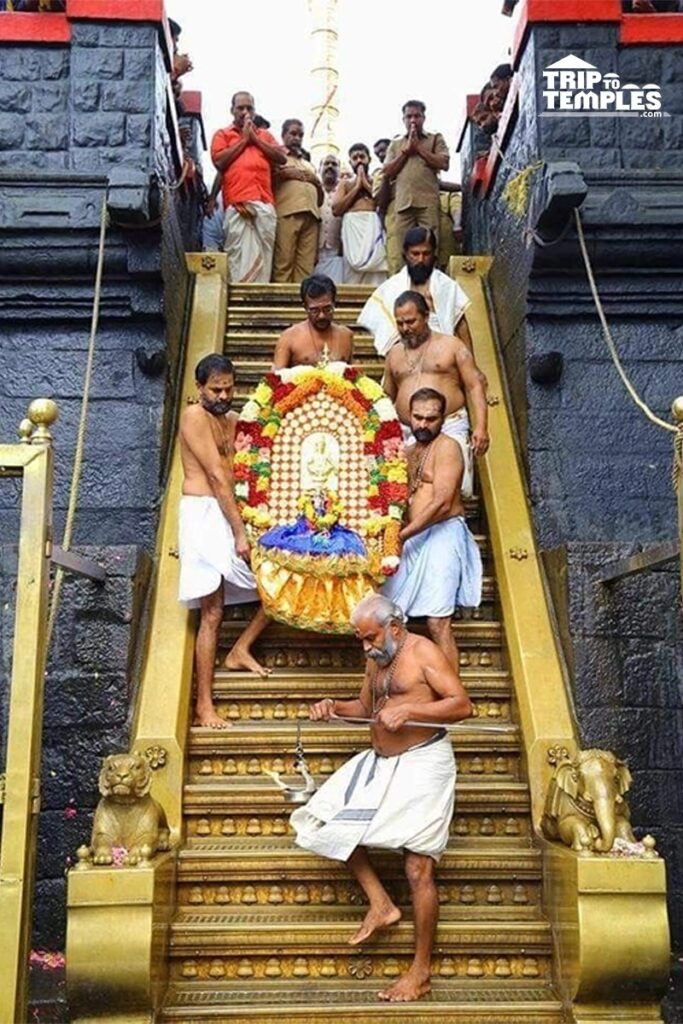
The Sabarimala temple, dedicated to Lord Ayyappa, is one of the most important pilgrimage centres in South India. For centuries, women aged between 10 and 50 were prohibited from entering the temple. The justification was based on the belief that Lord Ayyappa is a Naishtika Brahmachari (eternal celibate) and the presence of women of reproductive age would interfere with this tradition.
In 1991, the Kerala High Court upheld the ban, ruling that the restriction was an essential religious practice. However, in 2006, the Indian Young Lawyers Association approached the Supreme Court, challenging the constitutional validity of this restriction.
Constitutional Provisions in Question
The case raised fundamental questions about the interpretation of the Indian Constitution:
- Article 14 – Right to Equality: Does prohibiting women from entering a temple violate the principle of equality before the law?
- Article 15 – Non-Discrimination: Can women be excluded from a public religious place solely on the basis of sex?
- Article 17 – Abolition of Untouchability: Is the exclusion of women comparable to a form of social exclusion like untouchability?
- Article 25 – Freedom of Religion: Do women have the right to practice their religion by entering the temple?
- Article 26 – Right of Religious Denominations: Can a temple, as a religious denomination, manage its own affairs, including entry restrictions?
These provisions created a direct conflict between individual rights and group rights, forcing the Court to balance religious freedom with constitutional morality.
Supreme Court Verdict (2018)
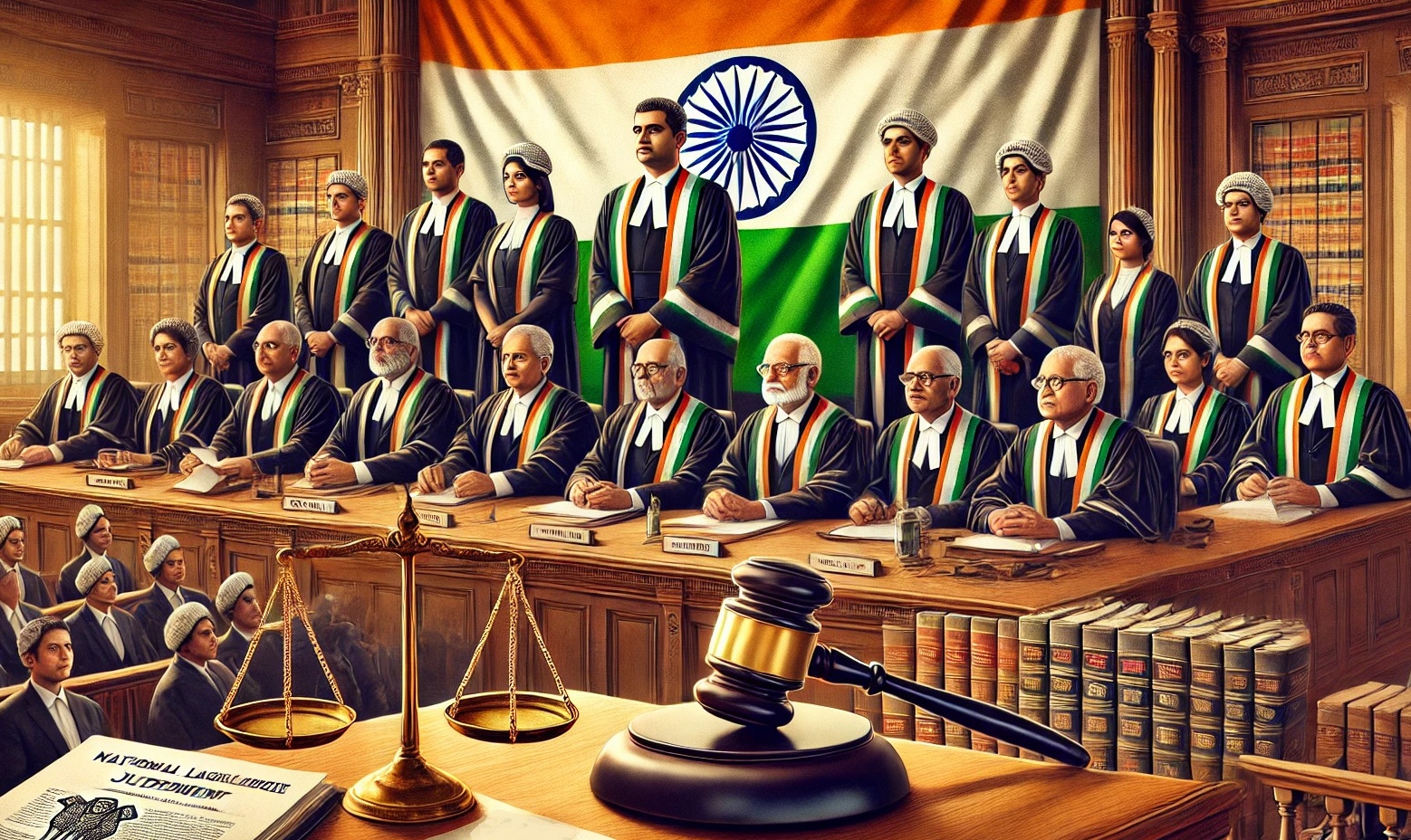
In September 2018, a five-judge Constitution Bench delivered its judgment in a 4:1 majority, declaring the ban unconstitutional.

Majority Opinions
- Chief Justice Dipak Misra (with Justice Khanwilkar): Held that the exclusion of women violated Articles 14, 15, and 25. The ban was discriminatory and unconstitutional.
- Justice D.Y. Chandrachud: Strongly condemned the notion of impurity attached to menstruation, calling it a denial of women’s dignity. He asserted that constitutional morality must prevail over social morality.
- Justice R.F. Nariman: Declared that the practice was not an “essential religious practice” under Article 26. Hence, it could not override women’s fundamental rights.
Dissenting Opinion
- Justice Indu Malhotra: Argued that matters of faith should not be interfered with by courts unless there is a clear violation of fundamental rights. She emphasised the need for judicial restraint in religious matters.
Social and Political Reactions
The verdict sparked nationwide debates:
- Supporters of the Judgment: Women’s rights activists, constitutional scholars, and progressive groups hailed the verdict as a milestone for gender equality.
- Opponents of the Judgment: Devotees, temple authorities, and conservative groups argued that it was judicial overreach, interfering with centuries-old traditions.
- Political Impact: The ruling triggered protests in Kerala, with political parties taking opposing stands, often balancing between constitutional values and vote-bank politics.
Visit Our Online Store Today!
https://hindkosh.press/shop
The Aftermath: Review Petitions
In 2019, due to intense public unrest and legal complexities, the Court referred the matter to a seven-judge bench. The bench was tasked not only with re-examining the Sabarimala issue but also with broader questions on the scope of essential religious practices in different faiths.
As of now, the final word on Sabarimala is pending, making it a “living case” that continues to shape constitutional debates.
Key Themes Emerging from the Case
1. Gender Equality vs. Religious Freedom
The case exemplified the tension between women’s equality and religious autonomy. The Court placed equality at the centre, but the dissent showed that religious rights still command significant legal respect.
2. Constitutional Morality
A term repeated in the judgment, constitutional morality requires that fundamental rights take precedence over cultural and religious practices when they clash. This principle was key in justifying the verdict.
3. Judicial Activism
The Sabarimala case became a prime example of judicial activism, where the Court intervened in a deeply religious matter to enforce constitutional rights.
4. Social Acceptance vs. Legal Mandates
Even after the verdict, women attempting to enter the temple were met with protests and violence. This shows that legal reform does not always translate into immediate social reform.
CLICK HERE TO FILL SUBCRIBER FORM
Comparative Perspective
The Sabarimala issue can be compared with similar debates worldwide:
- In Saudi Arabia, restrictions on women’s rights in public spaces have often been challenged under modern reforms.
- In Japan, women were historically barred from Mount Ōmine, a sacred Buddhist site.
- In India itself, practices like the Haji Ali Dargah entry ban for women were struck down by courts in 2016.
These comparisons highlight a global trend where gender rights are increasingly tested against religious customs.
Why the Case Still Matters
- For Women’s Rights: It reaffirms the constitutional guarantee that no public place of worship can deny entry based on gender.
- For Religious Institutions: It challenges the traditional notion that temples, churches, or mosques can unilaterally impose restrictions without scrutiny.
- For Indian Democracy: It underscores the principle that constitutional morality > social morality, a theme increasingly relevant in modern governance.
For more such updates, Click here!
Conclusion
The Indian Young Lawyers Association v. State of Kerala (Sabarimala case) is more than just a legal battle over temple entry. It represents a clash of values — between faith and equality, tradition and progress, personal belief and constitutional principles.
The 2018 judgment was a progressive leap for gender justice, but the strong dissent and social backlash show the complexity of reform in a diverse society like India. The final outcome of the pending review will not only decide the fate of women’s entry into Sabarimala but also define how far the judiciary can go in reforming religious practices.
In essence, the Sabarimala case is about the soul of Indian constitutionalism: ensuring that democracy respects both faith and fundamental rights, while always safeguarding equality and dignity for all.


Leave a Reply