








Introduction
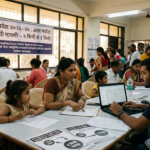
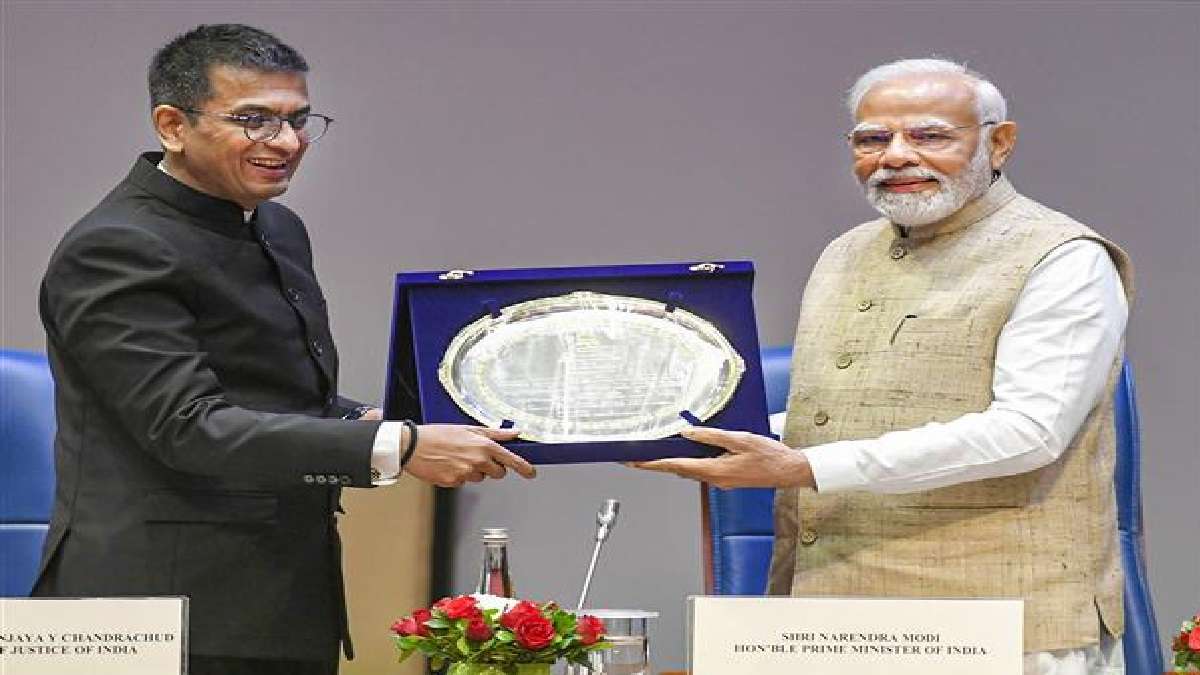
The PM eCourts Mission Mode Project is one of the most ambitious reforms in India’s judicial system. Launched under the National e-Governance Plan (NeGP), it aims to modernize Indian courts through technology. By enabling digital judiciary services, such as e-filing, virtual hearings, and case management systems, the project seeks to reduce delays, enhance transparency, and improve access to justice for citizens across the country.
Background of the eCourts Project
The project began in 2007 and has since evolved into multiple phases:
- Phase I (2007–2015): Focused on computerizing district and subordinate courts.
- Phase II (2015–2023): Introduced National Judicial Data Grid (NJDG), e-filing systems, and case status tracking.
- Phase III (2023 onwards): Launched under the Prime Minister’s vision, this phase emphasizes digital courts, paperless processes, and interconnected judicial platforms.
This gradual transformation has made the Indian judiciary one of the largest ICT-driven justice systems in the world.
Key Features of PM eCourts Mission Mode Project
- Case Management System for Courts – Judges and lawyers can now manage cases digitally, reducing dependency on manual files.
- e-Filing India – Lawyers and litigants can file cases online without visiting court premises.
- Virtual Courts Project – Traffic challans and petty offenses are disposed of online, reducing courtroom burden.
- National Judicial Data Grid (NJDG) – Offers real-time case data and pendency statistics for over 18,000 courts.
- Integration with Digital India – Linking courts with Aadhaar, DigiLocker, and eSign for seamless services.
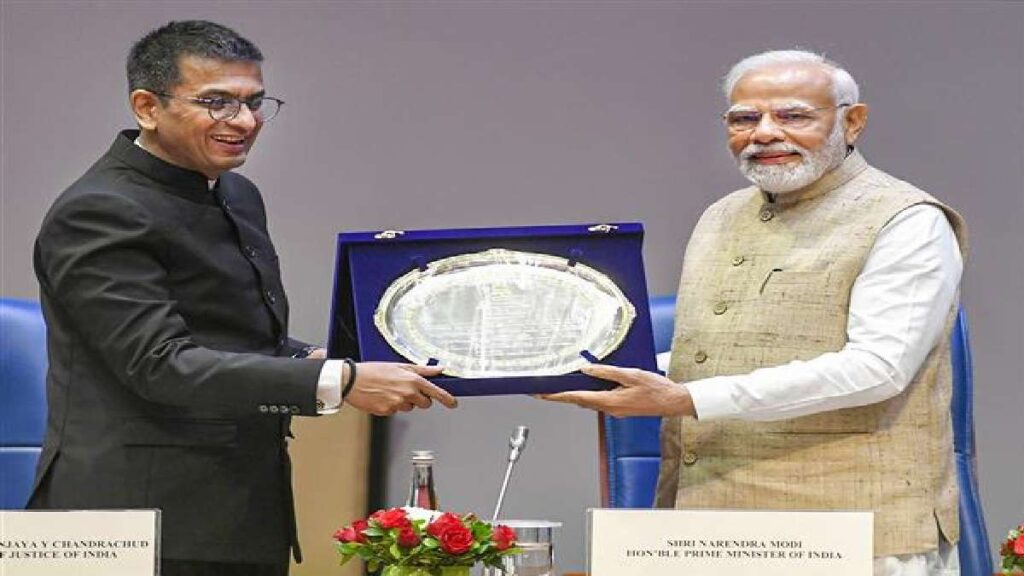
“Technology can be a game-changer in delivering timely justice.”
Justice D.Y. Chandrachud
Case Studies & Real Examples
- Virtual Traffic Courts in Delhi: Citizens can pay challans digitally without attending physical hearings, saving time and resources.
- Kerala High Court e-Filing: One of the first High Courts to make e-filing mandatory, setting a benchmark for paperless litigation.
- Supreme Court Virtual Hearings during COVID-19: More than 25 lakh cases were heard online across Indian courts, showcasing the potential of a digital judiciary.
These examples highlight how judicial digitization in India is not just theoretical but transforming real-world court experiences.
Benefits of Judicial Digitization
- Transparency: Citizens can check case status online anytime.
- Accessibility: Remote hearings allow litigants from rural areas to participate without travel.
- Efficiency: Digital tools reduce pendency and case backlog.
- Environmental Impact: Paperless courts save millions of pages annually.
Challenges and Limitations
Despite progress, hurdles remain:
- Digital Divide: Rural citizens often lack access to stable internet and devices.
- Training Needs: Lawyers and court staff require continuous digital literacy programs.
- Cybersecurity Risks: Sensitive judicial data requires strong safeguards.
- Infrastructure Gaps: Many district courts still face power and connectivity issues.
To Subscribe, Click to fill this form:
Conclusion
The PM eCourts Mission Mode Project is not just a technological upgrade but a judicial revolution in India. By focusing on e-filing, virtual hearings, NJDG, and digital courtrooms, it bridges the gap between citizens and the justice system.
While challenges like infrastructure and digital literacy remain, the project represents a historic leap toward a transparent, efficient, and inclusive judiciary. If implemented effectively, India will stand as a global model for judicial digitization.





Leave a Reply