



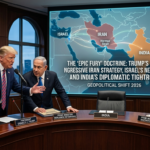




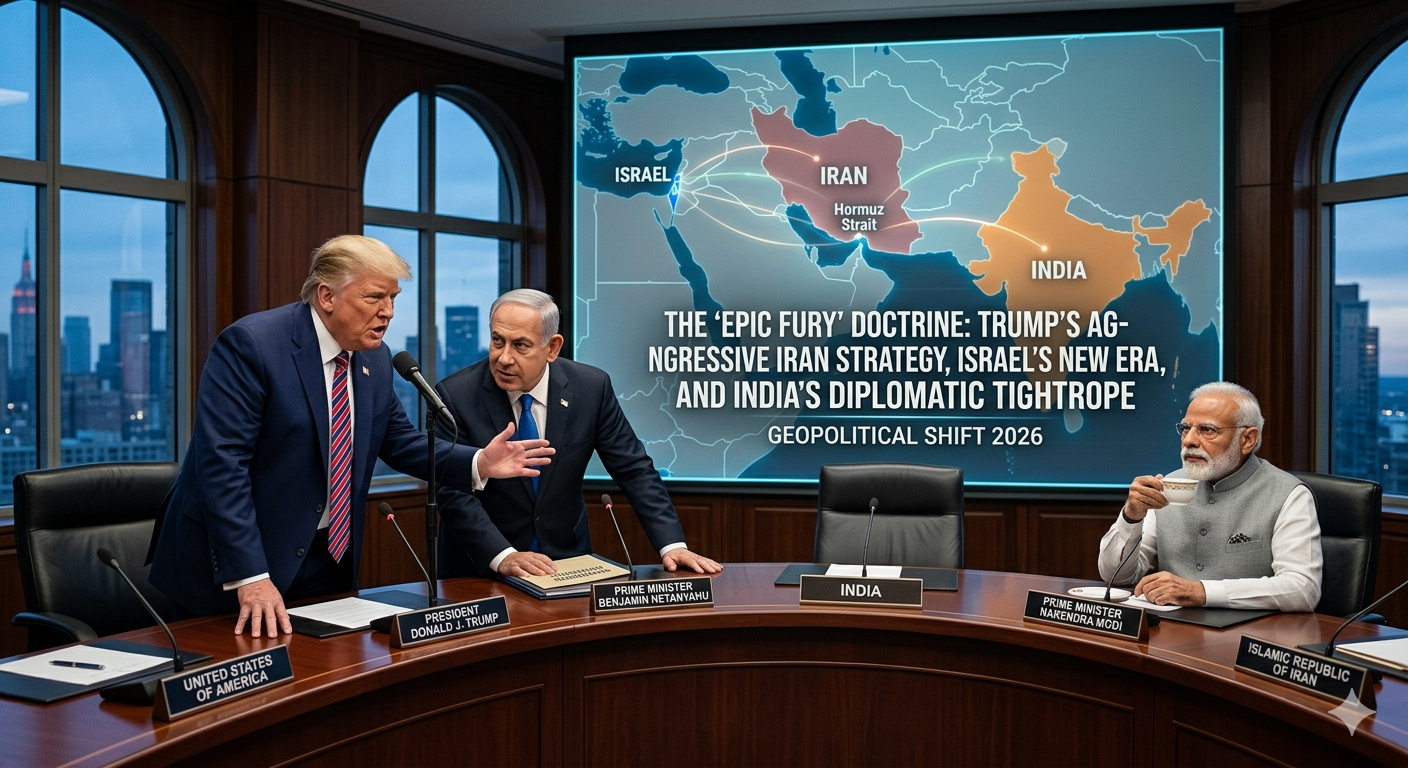
The geopolitical landscape of 2026 has been set ablaze by a series of unprecedented military and diplomatic maneuvers. Under the second administration of President Donald Trump, the United States has shifted from “maximum pressure” to what is now being termed “maximum action.” Central to this shift is the Trump better tactics against Iran—a doctrine that combines devastating joint military strikes with a clear goal of regime change, reshaping the security architecture of the Middle East and forcing global powers like India into a precarious balancing act.
1. The Strategy of “Epic Fury”: Trump’s Hardline Against Tehran
Unlike the surgical strikes of the past, the 2026 campaign—officially named Operation Epic Fury—has seen the U.S. and Israel transition to an existential offensive against the Iranian regime. Following the assassination of Supreme Leader Ali Khamenei in late February 2026 during joint airstrikes, the Trump administration has made its objectives crystal clear:
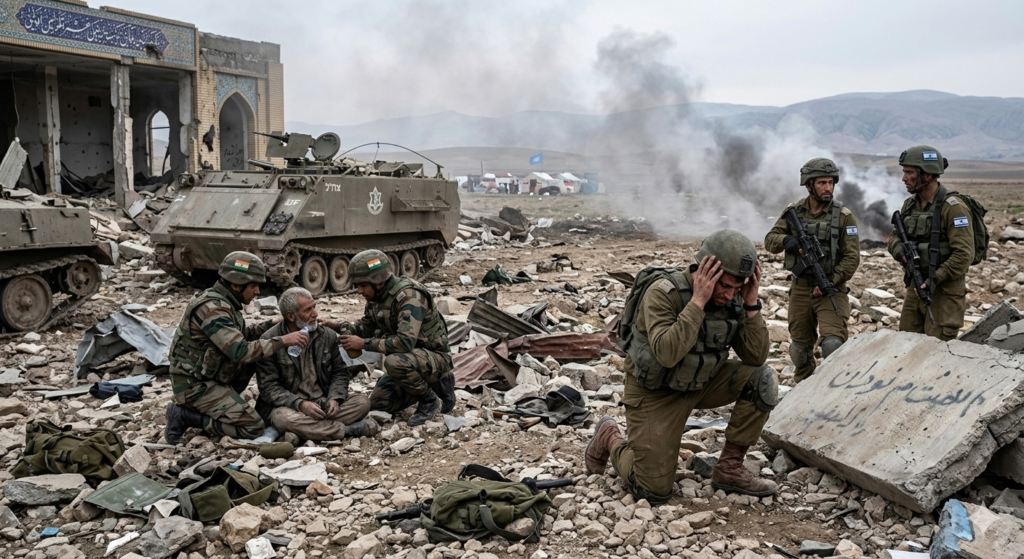
- Decapitation and Dismantling: Targeting the highest levels of Iranian leadership and their nuclear infrastructure, which Trump declared “obliterated” (though intelligence suggests “significantly delayed”).
- Regime Change from Above: Trump has bypassed traditional diplomacy, calling directly on the Iranian people to “take over their government,” framing the military campaign as a war of liberation.
- Sanctions 2.0: Beyond bombs, Trump has leveraged economic “better tactics” by imposing 25% penal tariffs on any nation trading with Iran, specifically targeting projects like India’s involvement in the Chabahar Port.
2. The Israel-US Nexus: A “Special Strategic Partnership”
The alliance between Donald Trump and Prime Minister Benjamin Netanyahu has reached a historic zenith. For Israel, Trump is seen as the “President of Jerusalem,” providing the military “green light” and bunker-busting munitions that previous administrations withheld.
This partnership isn’t just about security; it’s about redrawing the map. By supporting Israel’s preemptive strikes, Trump has effectively dismantled the status quo of “nuclear latency,” signaling to the world that the U.S. will no longer tolerate a “threshold” nuclear Iran.
3. India’s Stance: The High-Stakes Balancing Act 🇮🇳
For New Delhi, the Israel-Iran war is not just a distant conflict—it is an economic and strategic “Rahu Kalam” (an inauspicious period). India’s response has been a masterclass in “strategic silence” and “delicate diplomacy,” as it tries to protect several critical interests:
- Energy Security & The Russian Loophole: With the Strait of Hormuz—a transit point for 30% of global oil—facing de facto closure, India’s energy prices are at risk of skyrocketing. In a surprising move, the Trump administration issued a 30-day waiver allowing Indian refiners to purchase Russian oil already at sea to prevent a total economic collapse.
- The Diaspora and Remittances: Over 10 million Indians live and work in the Gulf, contributing 40% of India’s foreign exchange remittances. Any widening of the war into a regional conflagration puts these lives and the Indian economy at catastrophic risk.
- The Chabahar Dilemma: India has invested heavily in Iran’s Chabahar Port as a gateway to Central Asia. Trump’s new tariffs and the “Epic Fury” campaign threaten to turn this strategic asset into a stranded one, potentially handing the advantage to China.
4. India’s Official Response: Restraint vs. Reality 🕊️
Officially, the Ministry of External Affairs (MEA) has called for “restraint, dialogue, and diplomacy,” emphasizing that “sovereignty and territorial integrity must be respected.” However, critics argue that India’s recent “Special Strategic Partnership” agreement with Israel, signed just days before the strikes, suggests a subtle tilt toward the U.S.-Israeli axis.
Conclusion: A World Reordered
The Trump better tactics against Iran have shattered decades of diplomatic norms. While the U.S. and Israel celebrate military “triumphs,” the long-term political success remains a question mark. For India, the road ahead involves navigating between its “imperial interests” in the West and its “proximate neighbor” stakes in the East.


Leave a Reply