



Introduction
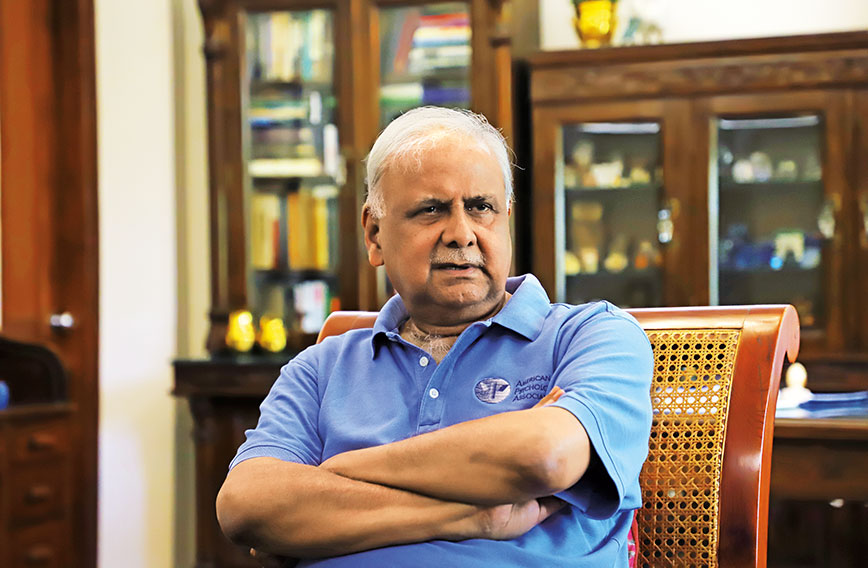
Jagdeep S. Chhokar, former professor at IIM Ahmedabad and co-founder of the Association for Democratic Reforms (ADR), passed away recently, leaving behind a remarkable legacy. Tributes across Indian media described him as a rare combination of researcher and reformer — someone who applied academic rigour to social change. His passing has generated widespread coverage, with newspapers, digital outlets, and social platforms highlighting how he shaped electoral transparency in India. This blog analyses recent reports on his death, identifies common themes in coverage, and reflects on his lasting contribution.
Visit our Online Store : https://hindkosh.press/shop/
Who Was Jagdeep Chhokar?
Chhokar was an academic by profession and a reformer by conviction. Trained as an engineer and later a professor of organisational behaviour at IIM Ahmedabad, he brought a structured, data-driven mindset to his activism. His biggest public contribution came as a co-founder of ADR, an organisation that has transformed the electoral landscape in India. ADR’s persistent advocacy, backed by Chhokar’s leadership, resulted in a Supreme Court judgment mandating that election candidates disclose their criminal, financial, and educational details before contesting polls.
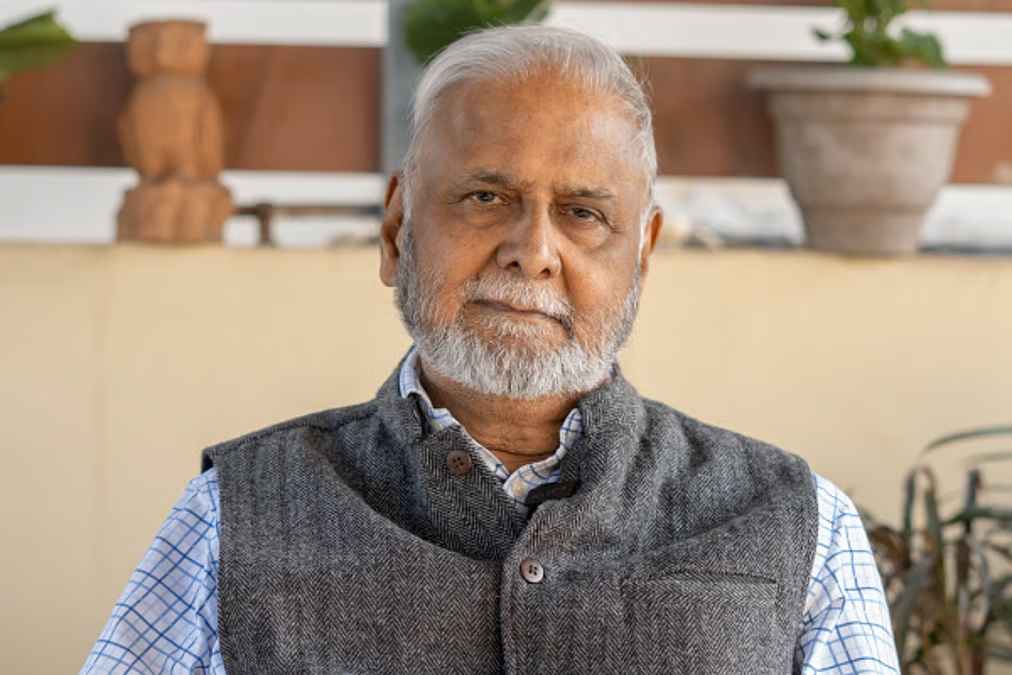
By combining empirical analysis with social activism, Chhokar proved that reforms do not always need street protests — they can be achieved through research, litigation, and informed public discourse.
What the Media Reported
Most outlets reported that Chhokar died following a heart attack, while recovering from other health issues, at the age of around 80–81. Almost all tributes highlighted three central aspects of his life:
- His role as a founding member of ADR.
- His contribution to making electoral candidates’ disclosures a legal norm.
- His academic background as an IIM professor.
Several reports added personal touches: his lifelong teaching career, his love for nature and birds, and his family’s decision to donate his body for medical education. This humanised him beyond his public role as a transparency advocate.
Available @ Rs.19/- .Hurry Offer Valid for today!
Patterns in Media Coverage
Respectful Consensus
From national dailies to niche political platforms, the coverage was unanimous in its respect. Phrases like “unsung soldier of democracy” and “quiet crusader for electoral transparency” appeared across articles.
Focus on Institutional Wins
The press repeatedly emphasised ADR’s landmark legal victories. Candidate disclosures, judicial recognition of transparency, and public access to information were consistently identified as Chhokar’s legacy.
Scholar-Activist Narrative
Media reports underlined that he was not just an activist but also a methodical researcher. His strength lay in presenting data, surveys, and structured arguments to back reformist goals.
What Was Missed
While the coverage was respectful and celebratory, some important questions were left unexplored. Few outlets discussed the sustainability of the reforms that ADR initiated. For example, how will disclosure norms hold up against evolving political finance systems like electoral bonds? Similarly, little was written about ADR’s succession plan or how the organisation will continue its work without Chhokar’s leadership.
Another missing piece was an evaluation of public impact. While ADR’s work has changed how candidates are vetted, there is less reporting on how it has influenced voter behaviour or party candidate selection over the years. These are areas future journalism could explore in greater depth.
Why His Legacy Matters
Jagdeep Chhokar’s passing is more than the loss of an individual; it is the departure of a guiding force in India’s democratic reforms. His unique ability to merge academic empiricism with civic passion created an enduring template for activism. Instead of rhetoric, he relied on facts. Instead of confrontation, he chose institutions. Instead of fleeting campaigns, he worked toward sustainable legal changes.
For today’s generation of reformers, his life serves as proof that research-backed advocacy can produce concrete reforms. For voters, his efforts mean better access to critical information about those who seek to represent them.
For more such content click here:
Conclusion
The recent tributes to Jagdeep Chhokar present a consistent picture: a principled reformer who shaped Indian democracy in measurable ways. While media reports celebrated his institutional victories, the next step should be to measure their long-term impact and ensure that ADR continues its mission. Chhokar’s legacy is not just in the laws changed but in the methods he used — combining facts, law, and civic responsibility to strengthen democracy.
As India debates the future of electoral reforms, remembering Jagdeep Chhokar is not just a tribute; it is a reminder that democracy deepens when scholarship meets activism.

https://hindkosh.blog/from-farm-to-table-how-the-us-india-trade-deal-elevates-dairy-quality/
https://hindkosh.blog/from-farm-to-table-how-the-us-india-trade-deal-elevates-dairy-quality/
https://hindkosh.blog/from-farm-to-table-how-the-us-india-trade-deal-elevates-dairy-quality/
[…] Transfer of Property Act Simplified: A Judiciary Exam Primer […]
- From Farm to Table: How the US-India Trade Deal Elevates Dairy Quality

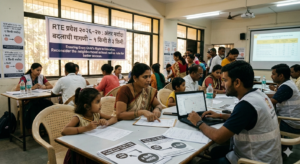
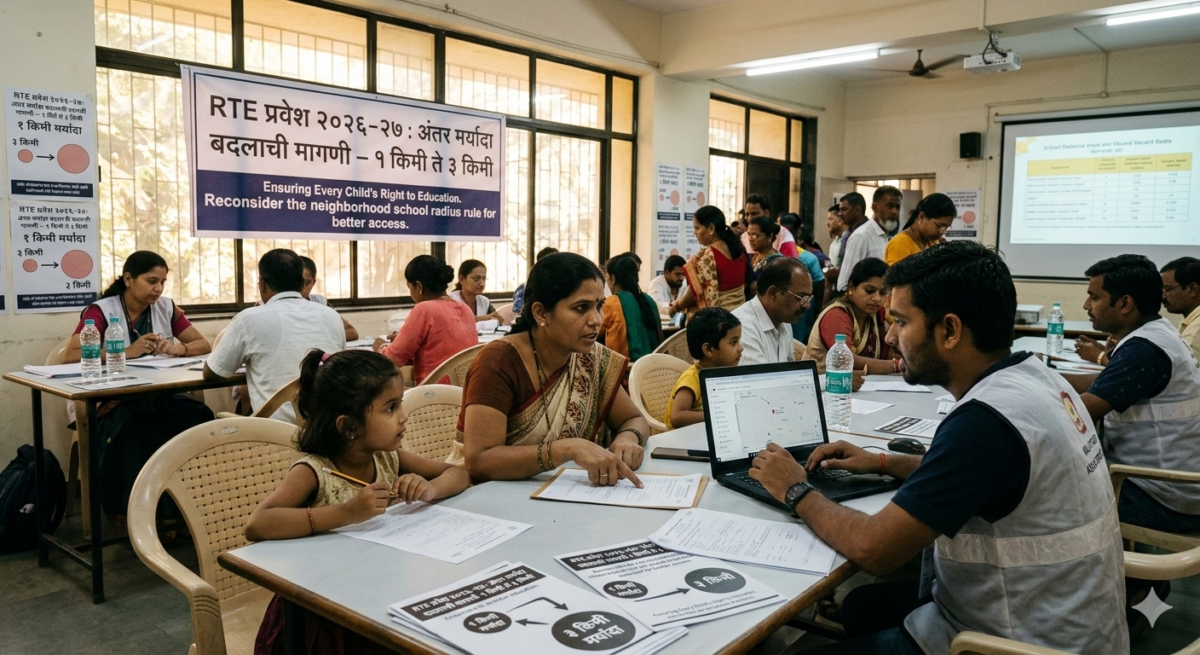
- RTE महाराष्ट्र २०२६-२७: १ किमी अंतराचा नवा नियम आणि ३ किमीच्या मर्यादेसाठी पालकांचा लढा
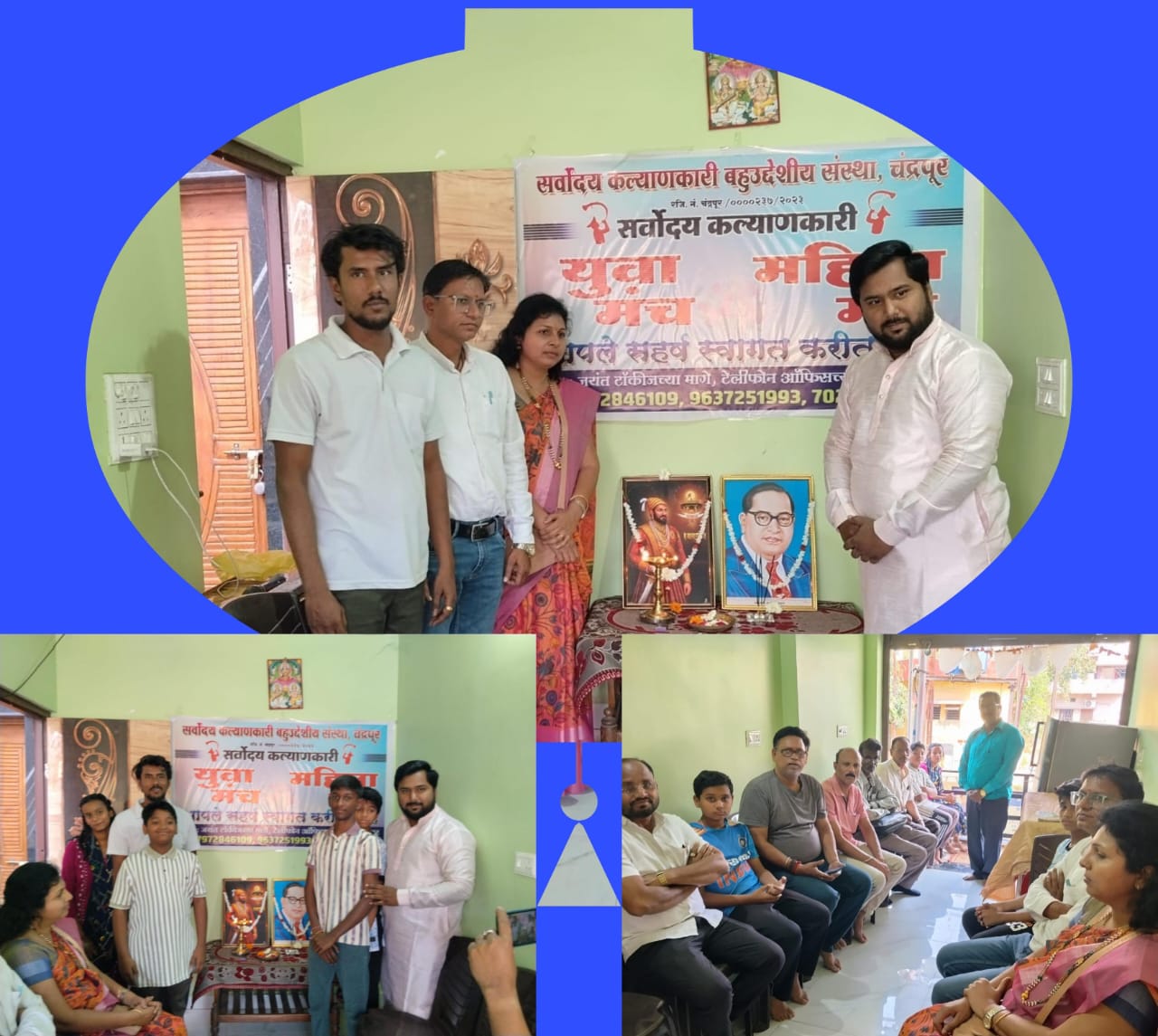
- शिव जयंती निमित्त “ शिव दीप प्रज्वलन व जन जागृतीचे ” कार्यक्रमाचे आयोजन
- विक्रम यांचा विक्रमी विजय . . .
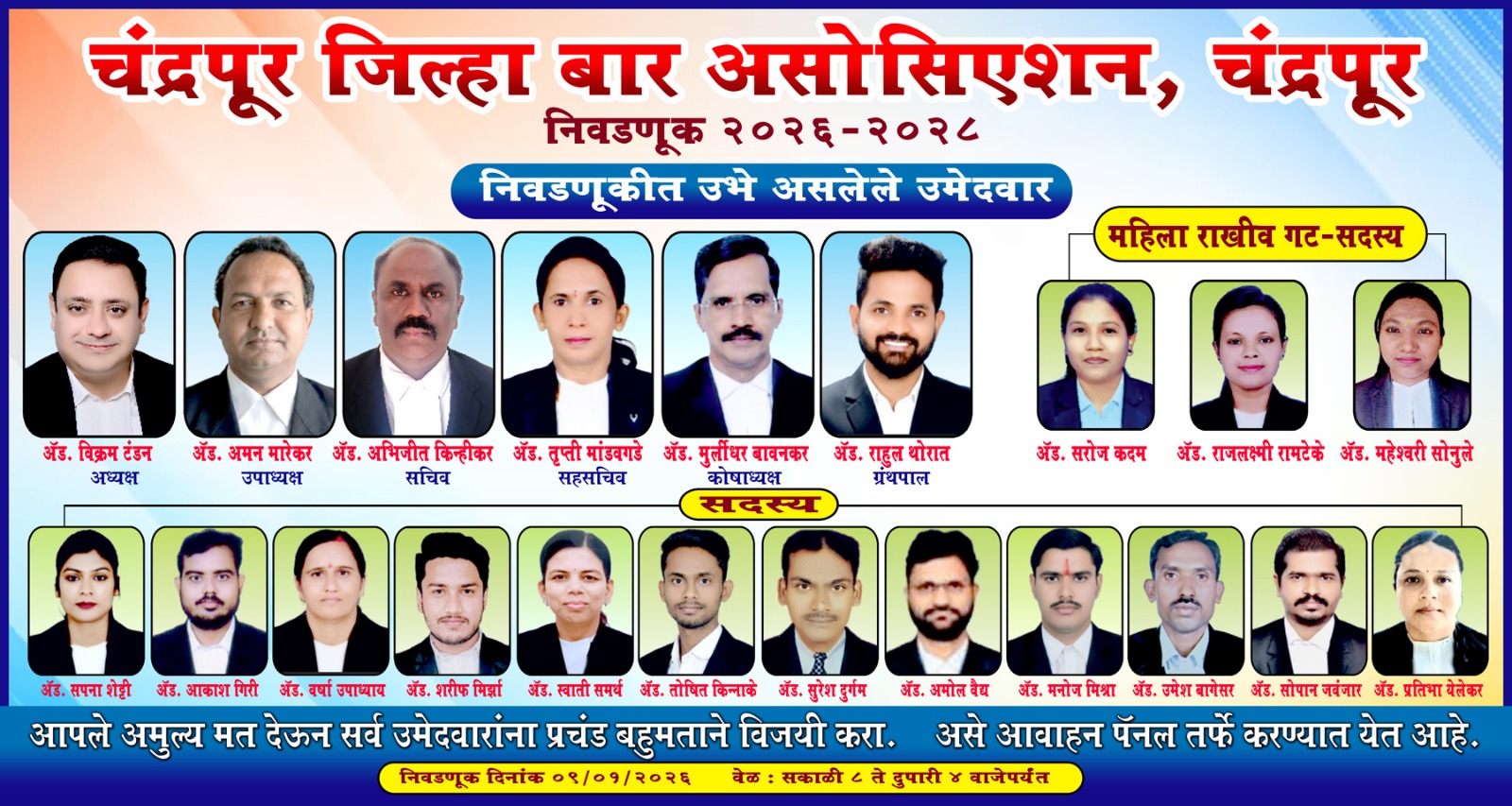
- चंद्रपूर जिल्हा बार असोसिएशन निवडणूक २०२६-२८

https://hindkosh.blog/from-farm-to-table-how-the-us-india-trade-deal-elevates-dairy-quality/