








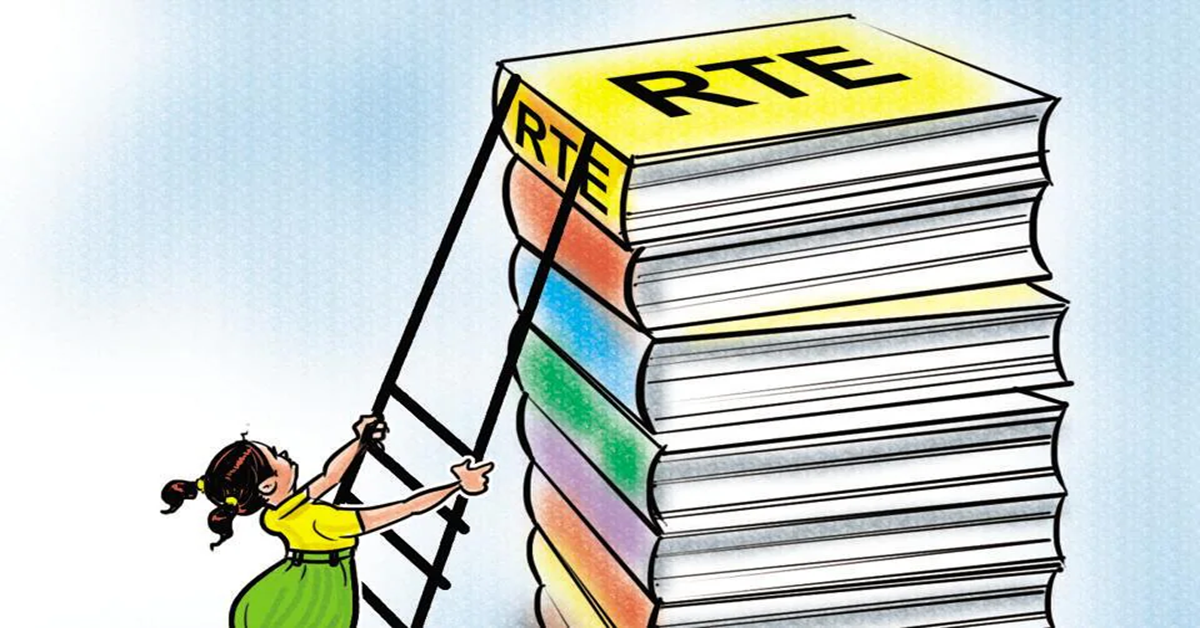
The Right of Children to Free and Compulsory Education Act, 2009 (RTE Act) is a landmark law in India. It made education a legal right for children aged 6 to 14, aiming to ensure free and compulsory elementary education.In this blog, we will analyze The Right to Education (RTE) Act, 2009: an in-depth legal review with landmark cases, examples, and current challenges in implementation across India. While the law has achieved much, its journey has been complex. This blog reviews the RTE Act legally: its origins, case law, real-world case studies, challenges, and suggestions for improvement.
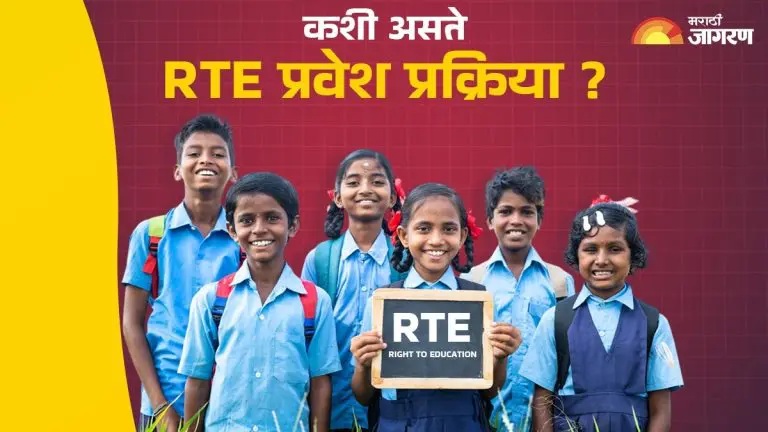
Legal Origin and Constitutional Basis
- 86th Amendment (2002) inserted Article 21A, making education a fundamental right for children aged 6-14. kotharilegal.com+2LawBhoomi+2
- Directive Principles (Article 45) and the right to life (Article 21) played roles in earlier Supreme Court cases. LawBhoomi+1
- The RTE Act was passed in 2009, specifying norms, responsibilities of state and private schools, and mandates like 25% reservation for disadvantaged children in private schools. LawBhoomi+1
For more such updates, Click here!
Key Case Laws and How Courts Shaped RTE
- Society for Unaided Private Schools of Rajasthan v. Union of India (2012)
This Supreme Court case challenged the 25% reservation clause under Section 12(1)(c) of RTE, where private unaided non-minority schools were required to admit a quarter of their seats to children from weaker socio-economic backgrounds. The Court upheld the constitutionality of the clause, affirming that private institutions must also contribute to social equity. Right to Education - Pramati Educational & Cultural Trust v. Union of India (2014)
Minority institutions argued that RTE’s reservation requirement violated their rights under Article 30. The Court clarified application: aided minority institutions must comply, but unaided minority ones are exempt to some extent. Supreme Court Observer+1 - Rajneesh Kumar Pandey & Ors. v Union of India (2021)
Important judgment concerning children with special needs (CwSN). The Supreme Court ruled that schools admitting such children must maintain appropriate teacher-pupil ratios. This adds the dimension of inclusion and quality in education under RTE. Oxford Human Rights Hub
Case Studies / Examples

- Case Study 1: Private School RTE Reservation in Rajasthan
After the 2012 Supreme Court decision, many private schools in Rajasthan altered their admission policies to ensure 25% seats were reserved for EWS (Economically Weaker Sections). Yet, implementation has faced resistance: delays, reluctance by schools to reveal vacant seats, or avoiding compliance altogether. Recent news reports show Haryana private schools being fined for withholding EWS vacancies. The Times of India - Case Study 2: Discrimination and Segregation of RTE Students
In Ahmedabad, parents of RTE students alleged that their kids were segregated into separate classrooms, denied access to playgrounds and other amenities. This helps show that even when admission is granted, equality of treatment is not always guaranteed. The Times of India - Case Study 3: Delays in RTE Admissions
In Rajasthan, thousands of children remained out of school because of delays in the RTE admission process, even after the academic year had begun. These delays constitute violations of children’s rights under the Act. The Times of India
Fill this Subscriber Form:
Strengths of the RTE Act
- It legally obliges government and private entities to provide free elementary education.
- Sets standards: infrastructure, teacher qualifications, pupil-teacher ratio, curriculum norms.
- Pushes for social inclusion by requiring reservation for EWS children in private schools.
- Judicial enforcement: Courts have held up many of its provisions even when challenged.
Challenges and Legal Gaps
- Implementation delays: Admissions, infrastructure, teacher qualifications often lag behind legal timelines.
- Discrimination: RTE students sometimes face unequal treatment inside schools.
- Minority institutions loophole: Some minority or unaided schools are exempt or only partially bound, which can weaken universal coverage.
- Financial burden: States often struggle to bear costs; ambiguity over whether central or state governments should fully fund certain aspects. Recent litigations over state obligations underline this. The Times of India
- Fraud / misuse: Fake documents, illegal claims to RTE seats have been reported. The Times of India
What the Law Review Suggests: Reforms and Recommendations
- Make timelines mandatory and enforce penalties for delays in admission.
- Strengthen monitoring: inspections, penalties for discrimination, ensure promotional awareness among communities.
- Clarify financial responsibilities between central and state governments.
- Expand coverage or revisit minority school exemptions to ensure the universality of rights.
- Develop stricter norms for implementation of inclusion (children with disabilities, marginalized communities).
- Increase transparency: schools publishing vacancies, admission criteria, seat allotment processes.
“Education is not preparation for life; education is life itself.”
Conclusion
The RTE Act was a transformative step for India’s education system. It gave legal force to every child’s right to free and compulsory education, set standards, and pushed for inclusion. But law alone cannot guarantee change. Implementation remains uneven. Discrimination, delays, financial constraints, and loopholes reduce the actual benefit for many children. A legal review shows that while many courts have supported RTE’s core promises, the real test lies in how the Act works in communities, classrooms, and everyday lives.
For RTE to fully succeed, all stakeholders—government, courts, schools, parents—must act with urgency, fairness, and transparency. Only then will the promise of education as a right, not just an aspiration, be fulfilled in India.

3 responses to “RTE Act in India: Legal Battles, Case Studies, Reforms”
-
cannabis delivery usa discreet nationwide service
-
CAN YOU HELP US TO PROTET HUMAN RIGHTS VIOLATION IN INDIA
-


3 responses to “RTE Act in India: Legal Battles, Case Studies, Reforms”
-
cannabis delivery usa discreet nationwide service
-
CAN YOU HELP US TO PROTET HUMAN RIGHTS VIOLATION IN INDIA
-
Leave a Reply